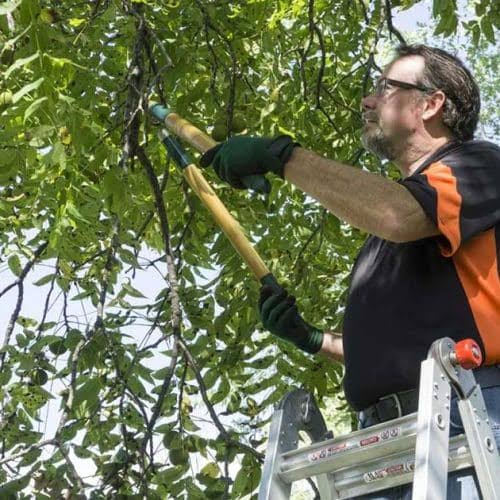
Trees are a valuable part of the natural environment. They improve air quality, provide shade, support biodiversity, and help maintain ecological balance. They also reduce soil erosion, absorb carbon dioxide, and create comfortable living spaces for humans and wildlife. However, environmental changes and human activities can negatively affect tree health. Sustainable tree care methods are essential for protecting trees and ensuring their long-term survival.
1. Selecting Suitable Tree Species
Choosing the right tree species is the foundation of successful tree care. Different trees have different requirements for temperature, sunlight, soil, and water. Native tree species are often a good choice because they are adapted to local environmental conditions. Selecting appropriate trees can reduce maintenance costs and improve survival rates.
2. Applying Water Conservation Techniques
Water conservation is an important part of sustainable tree maintenance. Drip irrigation and slow watering methods can help deliver water directly to the root zone. Collecting rainwater is another useful way to reduce dependence on freshwater supplies. Organic mulch also helps prevent rapid moisture loss from the soil.
3. Improving Soil Quality Naturally
Healthy soil supports strong roots and provides essential nutrients. Adding compost, decomposed leaves, and other suitable organic materials can improve soil structure and fertility. Avoid excessive chemical fertilizers because they may negatively affect soil organisms and nearby water sources. Maintaining natural soil conditions supports long-term tree development.
4. Reducing the Use of Harmful Chemicals
Excessive pesticide and herbicide use can harm beneficial insects, soil organisms, and other wildlife. Integrated pest management is a more sustainable approach. It involves monitoring tree health, identifying specific pests, encouraging natural predators, and using targeted treatments only when necessary. This approach helps protect trees while reducing environmental damage.
5. Maintaining Trees Through Seasonal Changes
Different seasons create different challenges for trees. During summer, trees may need additional water and protection from heat stress. During rainy periods, proper drainage helps prevent root damage. Seasonal inspections also help identify broken branches, pests, and other problems before they become serious.
6. Preventing Tree Damage in Public Spaces
Trees in parks, roadsides, and residential areas often experience damage from vehicles, construction, and human activities. Protective barriers can help prevent injuries to trunks and root zones. Proper planning before construction projects can also reduce unnecessary tree removal. Communities should encourage responsible behavior and protect existing green spaces.
7. Promoting Community Participation
Sustainable tree care becomes more effective when communities participate. Residents can organize tree-planting events, maintain neighborhood gardens, and educate others about environmental protection. Schools and local organizations can also introduce programs that teach children how to care for trees. Collective efforts can make a significant difference in preserving natural resources.
Conclusion
Sustainable tree care is an important investment in environmental protection and future generations. Selecting suitable species, conserving water, improving soil naturally, reducing harmful chemicals, and preventing physical damage are essential practices. Individuals and communities must work together to protect existing trees and establish new green spaces. By adopting sustainable maintenance methods, we can create healthier ecosystems and contribute to a cleaner, greener planet.
Leave a Reply