Category: Uncategorized

  • Advanced Tree Care Practices for Healthy Landscapes and Environmental Protection

    Advanced Tree Care Practices for Healthy Landscapes and Environmental Protection

    Trees are an important natural resource that supports life and contributes to environmental stability. They provide oxygen, absorb carbon dioxide, improve air quality, and offer shelter to birds and other wildlife. Trees also help reduce temperatures, prevent soil erosion, and improve the appearance of residential and commercial landscapes. To maintain these benefits, trees require proper care, regular observation, and suitable maintenance practices.

    1. Developing a Healthy Tree Care Routine

    A consistent tree care routine helps prevent common problems and supports healthy development. Regularly inspect leaves, branches, trunks, and surrounding soil. Check for unusual growth, broken branches, insect activity, and signs of disease. Early attention can prevent minor issues from becoming serious threats to tree health.

    2. Improving Water Absorption

    Efficient water absorption is necessary for healthy tree growth. Water should be applied gradually around the root zone rather than directly against the trunk. Deep watering encourages roots to grow downward and access moisture in the soil. Using mulch can further reduce evaporation and help maintain suitable moisture levels.

    3. Maintaining Proper Tree Structure

    A well-maintained tree structure improves stability and reduces the possibility of branch failure. Structural pruning during the appropriate growth stage can help develop strong branch arrangements. Removing crossing, broken, or diseased branches may also improve the tree’s overall condition. However, unnecessary cutting should be avoided to prevent stress and damage.

    4. Protecting Trees from Soil Erosion

    Soil erosion can expose roots and reduce the nutrients available to trees. Planting suitable ground cover, maintaining vegetation, and applying organic mulch can help protect the soil surface. In areas with steep slopes, appropriate landscaping techniques can reduce water runoff and prevent soil loss. These methods support both tree health and environmental conservation.

    5. Encouraging Biodiversity Around Trees

    Trees provide important habitats for birds, insects, and other wildlife. Maintaining a variety of native plants around trees can create a healthier ecosystem. Avoid removing beneficial insects unnecessarily, as many species help control harmful pests and support pollination. A diverse natural environment contributes to stronger ecological balance.

    6. Responding to Climate Challenges

    Changing weather conditions can create additional challenges for tree maintenance. High temperatures, drought, heavy rainfall, and strong winds may affect tree health. Selecting climate-appropriate species, maintaining healthy soil, and providing suitable watering can improve resilience. Regular inspections after severe weather also help identify dangerous branches or structural damage.

    7. Encouraging Responsible Tree Management

    Responsible tree management requires cooperation between property owners, communities, and environmental organizations. People should avoid unnecessary tree cutting and support local tree conservation projects. Public awareness programs can teach communities about proper planting, watering, pruning, and disease prevention. Protecting existing mature trees should also remain an important priority.

    Conclusion

    Advanced tree care involves more than simply planting and watering trees. It requires proper soil management, structural maintenance, biodiversity protection, and preparation for changing environmental conditions. By following responsible tree care practices, we can maintain healthy landscapes, protect wildlife, and reduce environmental damage. Every tree deserves attention and protection because healthy trees are essential for a sustainable future.
  • Effective Tree Care for a Thriving Property

    Effective Tree Care for a Thriving Property

    A well-maintained landscape can transform the appearance of any property, and healthy trees play a major role in creating that natural beauty. Trees provide shade, improve air quality, support local ecosystems, and increase the comfort of outdoor spaces. However, maintaining their health requires more than allowing them to grow naturally. Regular inspections, proper watering, soil management, and timely maintenance help trees develop strong structures and remain attractive throughout their lives.

    Understanding the natural growth requirements of different tree species is an important starting point. Every tree has specific preferences regarding sunlight, moisture, soil composition, and available space. Some varieties grow well in full sunlight, while others perform better in partially shaded locations. Choosing suitable trees for the surrounding environment can reduce maintenance requirements and prevent unnecessary stress. Property owners should also consider how much space mature branches and roots will eventually need.

    Water management is one of the most important responsibilities in tree maintenance. Young trees require consistent moisture while their root systems become established. Mature trees generally have more extensive roots, allowing them to access water from a wider area. However, prolonged dry weather can still affect established trees. Applying water slowly around the root zone encourages deeper moisture penetration and supports stronger root development. It is equally important to avoid excessive watering, especially in areas where soil drainage is limited.

    Maintaining healthy soil creates better conditions for long-term tree growth. Roots depend on soil for essential nutrients, oxygen, and moisture. When the ground becomes compacted, these resources may become difficult to access. Adding organic mulch around the tree can help protect the soil, reduce evaporation, and limit weed growth. As the mulch gradually decomposes, it contributes organic material that improves soil structure. A proper application should leave the tree trunk uncovered to prevent unnecessary moisture buildup.

    Pruning is another valuable practice that supports tree health and improves landscape safety. Over time, branches may become weak, damaged, overcrowded, or affected by disease. Removing selected branches can improve the tree’s overall structure and allow better air circulation through the canopy. Proper pruning also reduces interference with buildings, fences, and nearby pathways. However, removing too much foliage can place additional stress on a tree. Pruning should be performed according to the species, condition, and appropriate seasonal requirements.

    Regular monitoring helps identify pests and diseases before they cause extensive damage. Insects may attack leaves, bark, and branches, while fungal infections can affect roots and other tissues. Common warning signs include unusual leaf spots, discolored foliage, premature leaf loss, and damaged bark. Some problems develop slowly, making routine inspections particularly useful. When a tree displays persistent symptoms, professional identification can help determine the most appropriate treatment.

    Weather protection should also be included in a complete maintenance routine. Strong winds, heavy rainfall, extreme temperatures, and winter storms can place considerable pressure on tree structures. Weak branches may break during severe weather, while prolonged soil saturation can affect root stability. Trees located near homes, garages, roads, and public walkways should receive particular attention. Addressing visible structural weaknesses before severe weather arrives can reduce potential hazards.

    Another important aspect of tree care is preventing accidental physical damage. Lawn mowers, construction equipment, vehicles, and gardening tools can injure trunks and exposed roots. Damaged bark may create entry points for certain insects and disease organisms. Keeping equipment away from tree bases and protecting root zones during property improvements can prevent avoidable problems. Careful landscaping decisions help preserve established trees for many years.

    Professional tree care services can provide specialized support when maintenance becomes complicated. Qualified arborists understand tree biology and can evaluate structural conditions, identify diseases, recommend pruning techniques, and assess potential hazards. Their expertise is particularly valuable when managing mature trees or dealing with storm-related damage. Professional assistance also helps ensure that difficult maintenance work is completed using appropriate equipment and safety practices.

    Successful tree care is a continuous process that combines preventive maintenance with regular observation. Providing suitable growing conditions, protecting roots, maintaining healthy soil, and responding quickly to potential problems can significantly improve tree development. With responsible attention and professional guidance when necessary, property owners can maintain attractive landscapes and enjoy the lasting environmental benefits of healthy trees.

  • Keeping Your Trees Strong and Beautiful

    Keeping Your Trees Strong and Beautiful

    Trees are among the most valuable features of any outdoor landscape. They provide natural shade, improve environmental quality, reduce soil erosion, and create a peaceful atmosphere around homes and businesses. However, maintaining healthy trees requires regular care and attention to their changing needs. From the condition of the soil to the strength of individual branches, several factors influence how well trees grow and how long they remain healthy.

    One of the most effective ways to maintain tree health is to establish a regular inspection routine. Property owners should occasionally examine the trunk, leaves, branches, and surrounding ground for unusual changes. Healthy trees generally maintain consistent growth patterns, although some seasonal changes are completely natural. Sudden leaf discoloration, unusual branch loss, damaged bark, or visible fungal growth may indicate an underlying issue. Recognizing these warning signs early allows property owners to investigate problems before they become more difficult to manage.

    A suitable watering routine is essential for supporting healthy growth. Trees need water to transport nutrients, maintain their structure, and perform important biological processes. Newly planted trees require particular attention because their root systems are still developing. During periods of limited rainfall, slow watering around the root zone can help maintain adequate soil moisture. However, watering should always account for drainage conditions because excessive moisture can contribute to root deterioration.

    Soil maintenance is another important part of responsible tree care. Healthy soil provides essential nutrients and creates an environment where roots can expand naturally. Compacted soil may restrict root development and limit access to oxygen. Applying organic mulch around the base of a tree can help improve moisture retention, regulate temperature, and reduce weed competition. As organic materials gradually decompose, they also contribute to soil improvement. Maintaining a suitable distance between mulch and the trunk helps prevent moisture-related damage.

    Pruning helps trees maintain their natural structure while reducing potential hazards. Branches that are dead, broken, diseased, or interfering with nearby structures may require attention. Removing selected branches can improve airflow and allow sunlight to reach different parts of the canopy. Good pruning practices also help maintain balanced growth as trees mature. Nevertheless, excessive cutting can weaken trees and create unnecessary wounds. Understanding the requirements of individual species is important when planning pruning activities.

    Another important consideration is protecting trees from insect infestations and diseases. Various insects can affect foliage, bark, and internal tissues, while certain diseases may damage roots and branches. Property owners should watch for unusual leaf patterns, holes, discolored areas, and unexpected changes in growth. Maintaining healthy growing conditions can reduce some environmental stresses that make trees more vulnerable. When symptoms persist, consulting an experienced arborist can help identify the problem and determine an appropriate response.

    Weather conditions can have a considerable impact on tree health. Extended heat, drought, strong winds, heavy rain, and winter storms can damage different parts of a tree. Weak branches may break during severe weather, while saturated soil can affect root stability. Trees growing close to buildings, parking areas, and walkways deserve particular attention because falling branches may cause property damage or injuries. Periodic professional inspections can help identify structural concerns before dangerous conditions develop.

    Protecting the root area is equally important during everyday property maintenance. Lawn equipment can accidentally damage exposed roots or the lower trunk, while construction activities may disturb underground growth. Repeated vehicle traffic can also compact the soil and interfere with normal root function. Creating a protected area around valuable trees reduces these risks and supports healthier development.

    Professional arborists can provide additional guidance for maintaining mature or damaged trees. Their services may include health assessments, structural inspections, disease identification, pruning recommendations, and safe tree removal. They can also help property owners select appropriate replacement species when planting new trees. Professional assistance is especially important when dealing with large branches or trees located near electrical lines.

    Ultimately, keeping trees strong and beautiful requires a combination of observation, preventive maintenance, and informed decisions. Proper watering, healthy soil, responsible pruning, and timely inspections create better growing conditions throughout the year. By giving trees consistent attention, property owners can protect their landscapes, improve outdoor safety, and preserve the natural benefits that healthy trees provide.

  • Smart Tree Care Techniques for Better Growth and Long-Term Protection

    Smart Tree Care Techniques for Better Growth and Long-Term Protection

    Trees play a major role in maintaining environmental balance and improving the quality of life. They provide fresh air, reduce heat, protect soil, and create habitats for different species of wildlife. They also make residential areas, parks, and public spaces more attractive. However, healthy tree growth depends on proper care, suitable environmental conditions, and regular maintenance. Applying smart tree care techniques can help preserve trees and protect them from common problems.

    1. Understanding the Tree Growth Cycle

    Trees pass through different stages of development, including seed germination, early growth, maturity, and aging. Each stage requires different care practices. Young trees need more attention to watering and root development, while mature trees benefit from regular inspections and structural maintenance. Understanding the growth cycle helps determine the right care at the right time.

    2. Maintaining Healthy Branches

    Strong branches are important for a tree’s structure and stability. Regularly checking branches can help identify cracks, deadwood, and signs of disease. Removing damaged branches when necessary reduces potential hazards and supports healthy growth. Pruning should follow proper techniques to avoid unnecessary injuries to the tree.

    3. Preventing Soil Compaction

    Soil compaction occurs when soil particles are pressed together, reducing the space available for air and water. This condition can make it difficult for roots to grow and absorb essential nutrients. Avoid parking vehicles or placing heavy equipment near tree root zones. Maintaining loose, healthy soil encourages better root development and improves overall tree health.

    4. Using Organic Materials for Tree Protection

    Organic materials such as compost, wood chips, and dried leaves can support healthy tree growth. Compost improves soil fertility, while mulch helps retain moisture and regulate soil temperature. These natural materials also reduce weed growth and support beneficial microorganisms. Applying them correctly can reduce the need for unnecessary chemical products.

    5. Identifying Early Signs of Tree Stress

    Trees can experience stress because of drought, excessive rainfall, nutrient deficiencies, pollution, or pest attacks. Common warning signs include wilting leaves, premature leaf loss, weak branches, and unusual discoloration. Observing these changes regularly helps identify problems early. Appropriate care and professional advice can prevent further deterioration.

    6. Maintaining Proper Tree Spacing

    Trees need sufficient space to develop their roots and branches. Planting trees too close together can create competition for sunlight, water, and nutrients. Proper spacing also improves air circulation and reduces overcrowding. Before planting, consider the expected height and canopy width of each tree species.

    7. Creating a Long-Term Tree Protection Plan

    A long-term tree protection plan helps maintain healthy trees throughout their lives. Such a plan can include regular inspections, watering schedules, soil management, pest monitoring, and appropriate pruning. Recording maintenance activities also makes it easier to track tree health and identify recurring problems. Consistent care can significantly improve the lifespan of trees.

    Conclusion

    Smart tree care techniques are essential for maintaining strong, healthy, and long-lasting trees. Understanding growth stages, protecting branches, preventing soil compaction, using organic materials, and identifying early signs of stress can improve tree health. Everyone can contribute by maintaining trees in homes, gardens, parks, and public spaces. Protecting trees today helps build a greener, healthier, and more sustainable environment for tomorrow.

  • Building a Healthier Landscape Through Tree Care

    Building a Healthier Landscape Through Tree Care

    Healthy trees bring lasting value to residential gardens, commercial properties, and public outdoor spaces. They provide shade, improve air quality, support biodiversity, and make landscapes more inviting. However, maintaining beautiful trees requires regular attention and an understanding of their natural growing needs. With suitable maintenance practices, property owners can prevent common problems and help their trees remain strong throughout changing seasons.

    Proper tree care begins with regular observation. Spending time examining leaves, branches, trunks, and surrounding soil can reveal early signs of potential problems. Healthy leaves generally have a consistent appearance for their species, while unusual discoloration, premature dropping, or irregular growth may indicate environmental stress. Cracks in the trunk, damaged bark, and dead branches also deserve attention. Recognizing these changes early can make treatment more effective and reduce the possibility of extensive damage.

    Providing suitable growing conditions is essential for healthy development. Trees need adequate sunlight, appropriate soil conditions, and sufficient room for their roots and branches. Planting trees too close to buildings, fences, or other large plants can create competition and future maintenance challenges. Selecting species that naturally adapt to local weather and soil conditions helps reduce unnecessary stress. Before planting, it is also important to consider underground utilities and overhead power lines.

    Soil quality has a direct influence on how effectively trees absorb water and nutrients. Poor drainage, compacted ground, and nutrient deficiencies can interfere with normal root development. Organic mulch is a practical way to improve the growing environment around trees. It helps conserve soil moisture, limits weed competition, and protects roots from extreme temperatures. Wood chips and shredded bark are commonly used, but mulch should be applied without covering the trunk or root flare.

    Watering practices should reflect the age and condition of each tree. Newly planted trees require consistent moisture while their roots become established. Older trees are generally more resilient, although prolonged dry weather can still affect their health. Deep watering allows moisture to reach the root zone and encourages stronger root development. Checking the soil before adding more water helps prevent excessive moisture, which can contribute to root damage and certain diseases.

    Maintaining a healthy branch structure is another important responsibility. Trees naturally develop branches that may eventually become damaged, crowded, or poorly positioned. Selective pruning can improve canopy structure, remove hazardous limbs, and support healthy growth. Dead or broken branches should be evaluated promptly, particularly when they hang over walkways, vehicles, or buildings. Because incorrect pruning can create lasting damage, larger projects are best handled by trained tree care professionals.

    Pest and disease prevention should also be part of routine maintenance. Insects can weaken trees by feeding on foliage, damaging bark, or affecting internal tissues. Diseases may develop through fungal infections, bacteria, or unfavorable growing conditions. Common warning signs include unusual spots on leaves, discolored bark, premature leaf loss, and declining branch growth. Identifying the cause of these symptoms is important before choosing a treatment. Applying random pesticides or fertilizers without understanding the problem may create additional difficulties.

    Seasonal maintenance helps property owners respond to changing environmental conditions. Spring is a good time to inspect new growth and identify branches damaged during winter. Summer maintenance focuses on moisture management and monitoring heat stress. During autumn, trees can be inspected for structural concerns while the surrounding landscape is cleaned. Winter provides another opportunity to examine branch structure and prepare for future growing seasons.

    Professional tree care services are useful when dealing with mature trees, difficult pruning jobs, and unexpected storm damage. Certified arborists can assess overall tree health, identify structural weaknesses, recommend appropriate treatments, and determine whether removal is necessary. Professional inspections are particularly valuable for trees located near homes, commercial buildings, roads, and electrical infrastructure.

    A healthy landscape depends on consistent care rather than occasional maintenance. By protecting root systems, improving soil conditions, watering appropriately, and monitoring potential problems, property owners can support stronger tree growth. Responsible maintenance preserves the natural beauty of outdoor spaces while ensuring that trees continue providing environmental and practical benefits for future generations.

  • Sustainable Tree Care Methods for a Greener and Healthier Planet

    Sustainable Tree Care Methods for a Greener and Healthier Planet

    Trees are a valuable part of the natural environment. They improve air quality, provide shade, support biodiversity, and help maintain ecological balance. They also reduce soil erosion, absorb carbon dioxide, and create comfortable living spaces for humans and wildlife. However, environmental changes and human activities can negatively affect tree health. Sustainable tree care methods are essential for protecting trees and ensuring their long-term survival.

    1. Selecting Suitable Tree Species

    Choosing the right tree species is the foundation of successful tree care. Different trees have different requirements for temperature, sunlight, soil, and water. Native tree species are often a good choice because they are adapted to local environmental conditions. Selecting appropriate trees can reduce maintenance costs and improve survival rates.

    2. Applying Water Conservation Techniques

    Water conservation is an important part of sustainable tree maintenance. Drip irrigation and slow watering methods can help deliver water directly to the root zone. Collecting rainwater is another useful way to reduce dependence on freshwater supplies. Organic mulch also helps prevent rapid moisture loss from the soil.

    3. Improving Soil Quality Naturally

    Healthy soil supports strong roots and provides essential nutrients. Adding compost, decomposed leaves, and other suitable organic materials can improve soil structure and fertility. Avoid excessive chemical fertilizers because they may negatively affect soil organisms and nearby water sources. Maintaining natural soil conditions supports long-term tree development.

    4. Reducing the Use of Harmful Chemicals

    Excessive pesticide and herbicide use can harm beneficial insects, soil organisms, and other wildlife. Integrated pest management is a more sustainable approach. It involves monitoring tree health, identifying specific pests, encouraging natural predators, and using targeted treatments only when necessary. This approach helps protect trees while reducing environmental damage.

    5. Maintaining Trees Through Seasonal Changes

    Different seasons create different challenges for trees. During summer, trees may need additional water and protection from heat stress. During rainy periods, proper drainage helps prevent root damage. Seasonal inspections also help identify broken branches, pests, and other problems before they become serious.

    6. Preventing Tree Damage in Public Spaces

    Trees in parks, roadsides, and residential areas often experience damage from vehicles, construction, and human activities. Protective barriers can help prevent injuries to trunks and root zones. Proper planning before construction projects can also reduce unnecessary tree removal. Communities should encourage responsible behavior and protect existing green spaces.

    7. Promoting Community Participation

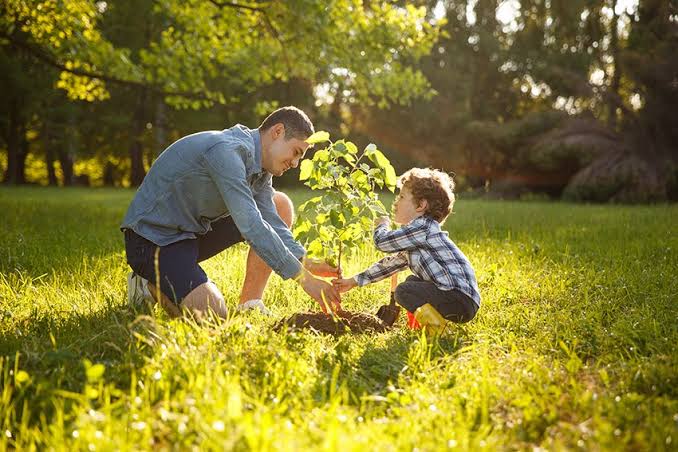
    Sustainable tree care becomes more effective when communities participate. Residents can organize tree-planting events, maintain neighborhood gardens, and educate others about environmental protection. Schools and local organizations can also introduce programs that teach children how to care for trees. Collective efforts can make a significant difference in preserving natural resources.

    Conclusion

    Sustainable tree care is an important investment in environmental protection and future generations. Selecting suitable species, conserving water, improving soil naturally, reducing harmful chemicals, and preventing physical damage are essential practices. Individuals and communities must work together to protect existing trees and establish new green spaces. By adopting sustainable maintenance methods, we can create healthier ecosystems and contribute to a cleaner, greener planet.

  • Professional Tree Maintenance for Lasting Growth

    Professional Tree Maintenance for Lasting Growth

    Trees are an essential feature of healthy outdoor environments. They provide shade, improve air quality, reduce noise, and add natural character to residential and commercial properties. A well-maintained tree can remain part of a landscape for decades, but reaching that stage requires consistent care and attention. From protecting the roots to maintaining healthy branches, every aspect of tree maintenance contributes to its long-term development.

    Understanding the condition of a tree is the first step toward providing appropriate care. Different species have different growth patterns, environmental requirements, and maintenance needs. Some trees naturally develop wide canopies, while others grow taller with narrower branch structures. Knowing these characteristics helps property owners recognize normal development and identify unusual changes. Regular observation also makes it easier to notice early signs of stress before they affect the entire tree.

    Root protection deserves particular attention because roots are responsible for absorbing water and nutrients while keeping the tree firmly established. Activities such as digging, construction, and driving heavy machinery near trees can disturb important root areas. Soil compaction can also reduce the amount of oxygen available underground. Maintaining a suitable growing area around the trunk helps protect the root system and encourages healthy development. Applying organic mulch can further support roots by retaining moisture and reducing temperature fluctuations.

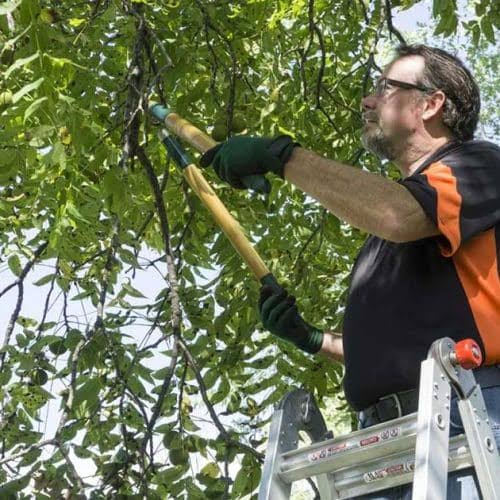
    Pruning is an important technique for maintaining tree structure and managing damaged growth. Dead branches, broken limbs, and certain diseased sections should be evaluated and removed when necessary. Proper pruning can reduce the possibility of falling branches while improving airflow through the canopy. However, removing too much foliage can reduce the tree’s ability to produce energy through photosynthesis. Each pruning decision should consider the tree species, age, health, and time of year.

    Watering requirements change as trees mature. Young trees generally need more frequent attention because their roots are still becoming established. Established trees may obtain sufficient moisture naturally under normal weather conditions, but prolonged drought can create additional stress. Water should be applied slowly so it can penetrate the soil rather than running across the surface. Monitoring soil moisture and considering rainfall patterns helps prevent both underwatering and excessive watering.

    Pest prevention is another important part of maintaining a healthy landscape. Various insects can damage leaves, weaken branches, and affect the internal structure of trees. Some infestations develop gradually, making regular inspections especially valuable. Discolored foliage, unusual holes, sticky substances, and visible insect activity can indicate a potential problem. Identifying the pest correctly is important because different species require different management approaches. Encouraging beneficial insects and maintaining healthy growing conditions can also support natural pest management.

    Tree diseases can become serious when warning signs are ignored. Fungal infections, bacterial problems, and root diseases may affect different parts of a tree. Symptoms can include unusual leaf spots, bark discoloration, branch dieback, and changes in growth. Removing infected material when appropriate, improving drainage, and avoiding unnecessary injuries can help reduce certain disease risks. A qualified arborist can recommend suitable treatments when symptoms are difficult to identify.

    Environmental conditions also influence how trees develop. Extreme temperatures, strong winds, heavy snow, and limited rainfall can place additional pressure on branches and roots. Trees growing near buildings or roads may require closer inspection because damaged limbs can create safety concerns. Before severe weather seasons, checking for weak branch attachments and visible structural damage can help identify maintenance needs. Storm-damaged trees should be assessed carefully rather than handled without suitable equipment and experience.

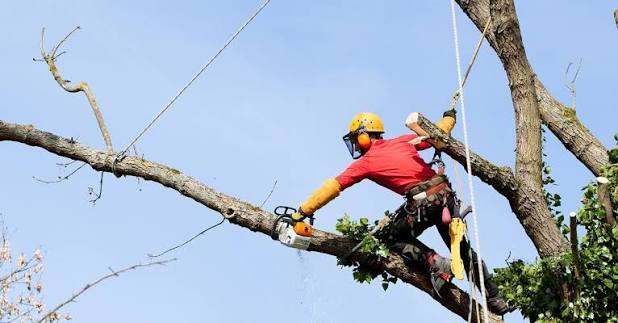
    Professional arborists provide valuable knowledge when routine maintenance is not enough. They can evaluate tree health, identify structural weaknesses, recommend pruning strategies, and determine whether a tree requires treatment or removal. Their experience is particularly useful when dealing with large trees, complicated branch structures, or potential hazards near buildings and utility lines.

    Successful tree maintenance is built on regular inspections and informed decisions. Providing suitable growing conditions, protecting roots, managing water, and addressing problems early can significantly improve tree health. With responsible maintenance and professional support when necessary, property owners can preserve attractive landscapes and enjoy the environmental benefits of healthy trees for many years.

  • Complete Guide to Tree Health, Preservation, and Maintenance

    Complete Guide to Tree Health, Preservation, and Maintenance

    Trees are essential for maintaining a healthy environment and supporting life on Earth. They provide oxygen, absorb carbon dioxide, improve air quality, and create natural habitats for birds and animals. Trees also contribute to soil protection, water conservation, and climate regulation. Despite their importance, trees often face challenges such as pollution, extreme weather, insects, and poor maintenance. Therefore, understanding proper tree care techniques is necessary for preserving healthy trees and protecting the environment.

    1. Understanding Tree Health

    Healthy trees usually have strong trunks, balanced branches, and healthy leaves. Monitoring their appearance regularly can help identify problems before they become serious. Changes in leaf color, unusual branch growth, damaged bark, and weak roots may indicate environmental stress or disease. Regular inspections allow property owners to take appropriate action.

    2. Providing Adequate Sunlight

    Sunlight is necessary for photosynthesis, the process through which trees produce energy for growth. Different tree species require different amounts of sunlight. Some grow best in full sunlight, while others can survive in partially shaded areas. Selecting an appropriate planting location helps trees receive the light they need for healthy development.

    3. Maintaining Proper Soil Moisture

    Soil moisture plays an important role in tree survival. Too little water can cause dehydration, while excessive moisture may damage roots. Checking soil conditions before watering helps prevent these problems. Applying water slowly around the root zone encourages deeper root growth and improves water absorption.

    4. Protecting Tree Trunks and Bark

    The trunk provides structural support and transports water and nutrients throughout the tree. Damage to the bark can create opportunities for insects and disease organisms to enter. Avoid hitting trunks with lawn equipment, attaching unnecessary objects, or cutting the bark. Protecting the trunk helps maintain the tree’s overall health.

    5. Managing Fallen Leaves and Organic Waste

    Fallen leaves and small organic materials can be useful for improving soil quality. Instead of removing all fallen leaves, suitable leaves can be composted and returned to garden soil. This process adds organic matter and supports beneficial soil organisms. However, leaves showing signs of serious disease should be handled appropriately to prevent spreading infections.

    6. Supporting Young Trees

    Young trees need special attention during their early stages of development. Regular watering, weed control, and protection from animals can help them establish strong roots. Temporary staking may be useful in certain situations, but supports should not restrict trunk movement or remain attached unnecessarily. Proper early care improves the chances of long-term survival.

    7. Protecting Mature Trees

    Mature trees provide valuable environmental benefits and may require less frequent watering than newly planted trees. Nevertheless, they still need regular health inspections. Avoid disturbing their root zones, changing soil levels around their trunks, or removing large branches without professional guidance. Preserving mature trees is often more beneficial than replacing them because they already provide established environmental services.

    Conclusion

    Tree preservation requires consistent care, proper planning, and environmental awareness. Providing suitable sunlight, maintaining soil moisture, protecting trunks, supporting young trees, and monitoring mature trees are all important maintenance practices. Healthy trees improve our surroundings, support wildlife, and contribute to a balanced ecosystem. By making tree preservation a priority, we can protect nature and create a greener environment for generations to come.

  • Smart Tree Care for Beautiful Outdoor Spaces

    Smart Tree Care for Beautiful Outdoor Spaces

    A beautiful landscape often begins with healthy, well-maintained trees. Trees provide natural shade, improve outdoor air quality, support local wildlife, and create a welcoming atmosphere around homes and commercial properties. Despite their ability to grow naturally, trees still need proper attention to remain healthy throughout their lives. Understanding their basic requirements and recognizing potential problems early can make tree maintenance easier and more effective.

    One important part of tree care is maintaining a suitable growing environment. Trees need enough space to develop their branches and root systems without competing excessively with nearby plants or structures. Before planting, property owners should consider the tree species, expected mature size, sunlight requirements, and soil conditions. Selecting a tree that suits the available environment can prevent many common maintenance challenges. Native and locally adapted species are often good choices because they are generally better suited to regional growing conditions.

    Healthy roots are essential for supporting strong branches and stable growth. Since most tree roots develop close to the soil surface, they can be affected by construction work, heavy equipment, and repeated foot traffic. Compacted soil limits the movement of air and water, making it harder for roots to function properly. Protecting the surrounding root zone and avoiding unnecessary digging can help maintain the tree’s stability. Organic mulch can also improve soil conditions by retaining moisture and gradually adding organic material.

    Watering should be adjusted according to the tree’s age, species, soil type, and weather conditions. Newly planted trees usually need more attention because their roots have not yet spread into the surrounding ground. During dry weather, slow and deep watering can help moisture reach the root zone. However, applying excessive water may create conditions that encourage root problems. Checking the soil before watering is a simple way to avoid unnecessary moisture buildup.

    Pruning is another essential maintenance activity that contributes to tree safety and appearance. Branches that are dead, damaged, or affected by disease may need to be removed to protect the remaining structure. Proper pruning can also improve the distribution of sunlight throughout the canopy and reduce interference with nearby buildings. The goal should be to maintain the tree’s natural structure rather than dramatically changing its shape. Incorrect cuts and excessive pruning can create wounds that take considerable time to recover.

    Monitoring for insects and diseases should become a regular habit. Trees sometimes show early signs of trouble through unusual leaf patterns, damaged bark, small holes, or declining branch growth. Insects may feed on foliage or attack the internal tissues of branches and trunks. Certain fungal diseases can also cause discoloration, decay, and premature leaf loss. When unusual symptoms appear, identifying the underlying cause is important before applying treatments. Professional advice can help prevent unnecessary chemical use and protect beneficial insects.

    Seasonal weather can also influence the type of maintenance trees require. Hot temperatures and limited rainfall may increase the need for watering during summer. Heavy winds and storms can damage branches or expose existing structural weaknesses. Autumn provides an opportunity to inspect trees and remove fallen debris, while winter can make certain structural problems easier to identify. Adjusting care practices according to seasonal conditions helps trees remain resilient.

    Fertilization may be beneficial when a tree is growing in nutrient-deficient soil or showing signs of specific nutrient deficiencies. However, applying fertilizer without understanding the soil condition can encourage excessive growth or create nutrient imbalances. A soil test can provide useful information about nutrient availability and help determine whether additional feeding is necessary. Healthy soil management is generally more beneficial than relying on unnecessary fertilizer applications.

    Professional tree maintenance is particularly valuable for large trees and complicated situations. Qualified arborists can inspect structural conditions, identify disease symptoms, recommend appropriate pruning, and evaluate potential safety hazards. They can also advise property owners about suitable replacement trees when an existing tree becomes severely damaged or unsafe. Professional assistance is especially important when work involves large limbs, climbing, or equipment operating near electrical lines.

    Consistent tree care helps protect both the natural environment and the value of outdoor spaces. By providing appropriate water, maintaining healthy soil, inspecting branches, and addressing problems early, property owners can support stronger and longer-lasting trees. A thoughtful maintenance routine not only improves the appearance of a landscape but also creates a safer and healthier environment for everyone who enjoys it.

  • Professional Tree Care: Best Practices for Maintaining Healthy Trees

    Professional Tree Care: Best Practices for Maintaining Healthy Trees

    Trees are an important part of a healthy ecosystem. They provide oxygen, improve air quality, reduce noise pollution, and offer shelter to birds and other wildlife. They also help regulate temperatures and protect the soil from erosion. However, trees require proper maintenance to remain healthy, attractive, and strong. Professional tree care involves understanding their needs and applying suitable techniques to support long-term growth.

    1. Choosing High-Quality Trees

    The first step toward successful tree care is selecting healthy trees. Before planting, examine the roots, branches, leaves, and trunk for signs of damage or disease. Choose species that are suitable for the local climate and soil conditions. Healthy planting materials have a better chance of establishing strong roots and growing successfully.

    2. Proper Planting and Root Protection

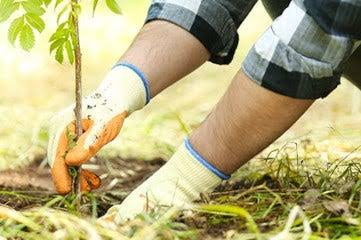
    Correct planting techniques help trees develop naturally. Dig a hole that is wide enough to accommodate the roots without bending or overcrowding them. Position the root flare at or slightly above ground level and avoid planting too deeply. After planting, fill the hole with suitable soil and water thoroughly. Protecting the surrounding soil from heavy pressure also helps maintain healthy root development.

    3. Maintaining Tree Nutrition

    Trees require essential nutrients to support leaf production, root development, and overall growth. Nutrients such as nitrogen, phosphorus, and potassium contribute to different aspects of plant health. Organic compost can improve soil quality and support beneficial microorganisms. Fertilizers should be applied according to actual soil needs rather than used excessively.

    4. Managing Tree Canopies

    The canopy consists of the branches and leaves that form the upper part of a tree. A healthy canopy helps trees collect sunlight and produce energy through photosynthesis. Removing dead or diseased branches can improve tree structure and reduce potential hazards. Proper pruning also allows better light penetration and air circulation. Major pruning work should be performed by qualified professionals.

    5. Using Environmentally Friendly Pest Control

    Pest management is an important part of tree maintenance. Insects can damage leaves, bark, roots, and branches, while fungal infections may affect different parts of the tree. Regular inspections help identify these problems early. Environmentally friendly approaches, such as removing infected material and encouraging beneficial insects, can help protect trees while reducing chemical use.

    6. Maintaining Trees in Urban Areas

    Urban trees face several challenges, including limited growing space, air pollution, construction activities, and compacted soil. Proper planning is necessary to ensure that trees have enough room for their roots and branches. Regular watering, suitable soil management, and protection from physical damage can help urban trees survive and contribute to healthier communities.

    7. Long-Term Tree Maintenance Planning

    A proper maintenance plan helps ensure that trees receive attention throughout the year. It should include seasonal inspections, watering schedules, soil improvement, pest monitoring, and necessary pruning. Keeping records of tree growth and previous maintenance activities can also help identify recurring problems and improve future care decisions.

    Conclusion

    Professional tree care is essential for maintaining healthy landscapes and protecting the natural environment. Proper planting, balanced nutrition, root protection, canopy management, and environmentally responsible pest control all contribute to strong and long-lasting trees. By investing time and effort in regular maintenance, individuals and communities can protect valuable natural resources and create greener spaces for future generations.