Trees are an important part of a healthy ecosystem. They provide oxygen, improve air quality, reduce noise pollution, and offer shelter to birds and other wildlife. They also help regulate temperatures and protect the soil from erosion. However, trees require proper maintenance to remain healthy, attractive, and strong. Professional tree care involves understanding their needs and applying suitable techniques to support long-term growth.
1. Choosing High-Quality Trees
The first step toward successful tree care is selecting healthy trees. Before planting, examine the roots, branches, leaves, and trunk for signs of damage or disease. Choose species that are suitable for the local climate and soil conditions. Healthy planting materials have a better chance of establishing strong roots and growing successfully.
2. Proper Planting and Root Protection
Correct planting techniques help trees develop naturally. Dig a hole that is wide enough to accommodate the roots without bending or overcrowding them. Position the root flare at or slightly above ground level and avoid planting too deeply. After planting, fill the hole with suitable soil and water thoroughly. Protecting the surrounding soil from heavy pressure also helps maintain healthy root development.
3. Maintaining Tree Nutrition
Trees require essential nutrients to support leaf production, root development, and overall growth. Nutrients such as nitrogen, phosphorus, and potassium contribute to different aspects of plant health. Organic compost can improve soil quality and support beneficial microorganisms. Fertilizers should be applied according to actual soil needs rather than used excessively.
4. Managing Tree Canopies
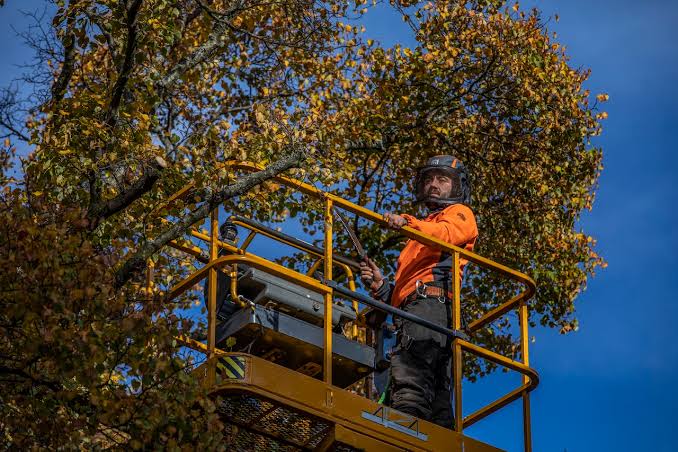
The canopy consists of the branches and leaves that form the upper part of a tree. A healthy canopy helps trees collect sunlight and produce energy through photosynthesis. Removing dead or diseased branches can improve tree structure and reduce potential hazards. Proper pruning also allows better light penetration and air circulation. Major pruning work should be performed by qualified professionals.
5. Using Environmentally Friendly Pest Control
Pest management is an important part of tree maintenance. Insects can damage leaves, bark, roots, and branches, while fungal infections may affect different parts of the tree. Regular inspections help identify these problems early. Environmentally friendly approaches, such as removing infected material and encouraging beneficial insects, can help protect trees while reducing chemical use.
6. Maintaining Trees in Urban Areas
Urban trees face several challenges, including limited growing space, air pollution, construction activities, and compacted soil. Proper planning is necessary to ensure that trees have enough room for their roots and branches. Regular watering, suitable soil management, and protection from physical damage can help urban trees survive and contribute to healthier communities.
7. Long-Term Tree Maintenance Planning
A proper maintenance plan helps ensure that trees receive attention throughout the year. It should include seasonal inspections, watering schedules, soil improvement, pest monitoring, and necessary pruning. Keeping records of tree growth and previous maintenance activities can also help identify recurring problems and improve future care decisions.
Conclusion
Professional tree care is essential for maintaining healthy landscapes and protecting the natural environment. Proper planting, balanced nutrition, root protection, canopy management, and environmentally responsible pest control all contribute to strong and long-lasting trees. By investing time and effort in regular maintenance, individuals and communities can protect valuable natural resources and create greener spaces for future generations.
Leave a Reply