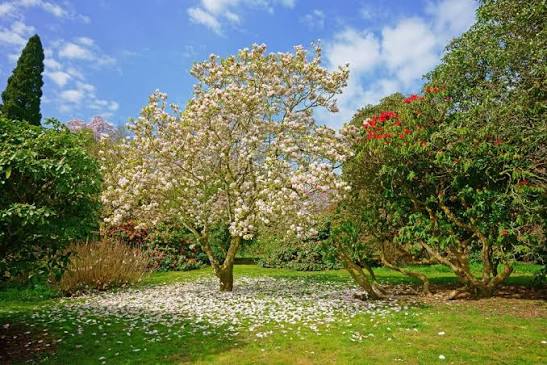
Trees are an important natural resource that supports life and contributes to environmental stability. They provide oxygen, absorb carbon dioxide, improve air quality, and offer shelter to birds and other wildlife. Trees also help reduce temperatures, prevent soil erosion, and improve the appearance of residential and commercial landscapes. To maintain these benefits, trees require proper care, regular observation, and suitable maintenance practices.
1. Developing a Healthy Tree Care Routine
A consistent tree care routine helps prevent common problems and supports healthy development. Regularly inspect leaves, branches, trunks, and surrounding soil. Check for unusual growth, broken branches, insect activity, and signs of disease. Early attention can prevent minor issues from becoming serious threats to tree health.
2. Improving Water Absorption
Efficient water absorption is necessary for healthy tree growth. Water should be applied gradually around the root zone rather than directly against the trunk. Deep watering encourages roots to grow downward and access moisture in the soil. Using mulch can further reduce evaporation and help maintain suitable moisture levels.
3. Maintaining Proper Tree Structure
A well-maintained tree structure improves stability and reduces the possibility of branch failure. Structural pruning during the appropriate growth stage can help develop strong branch arrangements. Removing crossing, broken, or diseased branches may also improve the tree’s overall condition. However, unnecessary cutting should be avoided to prevent stress and damage.
4. Protecting Trees from Soil Erosion
Soil erosion can expose roots and reduce the nutrients available to trees. Planting suitable ground cover, maintaining vegetation, and applying organic mulch can help protect the soil surface. In areas with steep slopes, appropriate landscaping techniques can reduce water runoff and prevent soil loss. These methods support both tree health and environmental conservation.
5. Encouraging Biodiversity Around Trees
Trees provide important habitats for birds, insects, and other wildlife. Maintaining a variety of native plants around trees can create a healthier ecosystem. Avoid removing beneficial insects unnecessarily, as many species help control harmful pests and support pollination. A diverse natural environment contributes to stronger ecological balance.
6. Responding to Climate Challenges
Changing weather conditions can create additional challenges for tree maintenance. High temperatures, drought, heavy rainfall, and strong winds may affect tree health. Selecting climate-appropriate species, maintaining healthy soil, and providing suitable watering can improve resilience. Regular inspections after severe weather also help identify dangerous branches or structural damage.
7. Encouraging Responsible Tree Management
Responsible tree management requires cooperation between property owners, communities, and environmental organizations. People should avoid unnecessary tree cutting and support local tree conservation projects. Public awareness programs can teach communities about proper planting, watering, pruning, and disease prevention. Protecting existing mature trees should also remain an important priority.
Conclusion
Advanced tree care involves more than simply planting and watering trees. It requires proper soil management, structural maintenance, biodiversity protection, and preparation for changing environmental conditions. By following responsible tree care practices, we can maintain healthy landscapes, protect wildlife, and reduce environmental damage. Every tree deserves attention and protection because healthy trees are essential for a sustainable future.
Leave a Reply