A well-maintained landscape can transform the appearance of any property, and healthy trees play a major role in creating that natural beauty. Trees provide shade, improve air quality, support local ecosystems, and increase the comfort of outdoor spaces. However, maintaining their health requires more than allowing them to grow naturally. Regular inspections, proper watering, soil management, and timely maintenance help trees develop strong structures and remain attractive throughout their lives.
Understanding the natural growth requirements of different tree species is an important starting point. Every tree has specific preferences regarding sunlight, moisture, soil composition, and available space. Some varieties grow well in full sunlight, while others perform better in partially shaded locations. Choosing suitable trees for the surrounding environment can reduce maintenance requirements and prevent unnecessary stress. Property owners should also consider how much space mature branches and roots will eventually need.
Water management is one of the most important responsibilities in tree maintenance. Young trees require consistent moisture while their root systems become established. Mature trees generally have more extensive roots, allowing them to access water from a wider area. However, prolonged dry weather can still affect established trees. Applying water slowly around the root zone encourages deeper moisture penetration and supports stronger root development. It is equally important to avoid excessive watering, especially in areas where soil drainage is limited.
Maintaining healthy soil creates better conditions for long-term tree growth. Roots depend on soil for essential nutrients, oxygen, and moisture. When the ground becomes compacted, these resources may become difficult to access. Adding organic mulch around the tree can help protect the soil, reduce evaporation, and limit weed growth. As the mulch gradually decomposes, it contributes organic material that improves soil structure. A proper application should leave the tree trunk uncovered to prevent unnecessary moisture buildup.
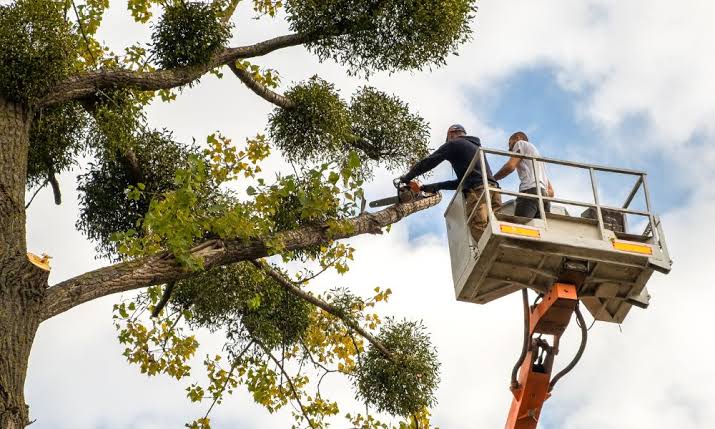
Pruning is another valuable practice that supports tree health and improves landscape safety. Over time, branches may become weak, damaged, overcrowded, or affected by disease. Removing selected branches can improve the tree’s overall structure and allow better air circulation through the canopy. Proper pruning also reduces interference with buildings, fences, and nearby pathways. However, removing too much foliage can place additional stress on a tree. Pruning should be performed according to the species, condition, and appropriate seasonal requirements.
Regular monitoring helps identify pests and diseases before they cause extensive damage. Insects may attack leaves, bark, and branches, while fungal infections can affect roots and other tissues. Common warning signs include unusual leaf spots, discolored foliage, premature leaf loss, and damaged bark. Some problems develop slowly, making routine inspections particularly useful. When a tree displays persistent symptoms, professional identification can help determine the most appropriate treatment.
Weather protection should also be included in a complete maintenance routine. Strong winds, heavy rainfall, extreme temperatures, and winter storms can place considerable pressure on tree structures. Weak branches may break during severe weather, while prolonged soil saturation can affect root stability. Trees located near homes, garages, roads, and public walkways should receive particular attention. Addressing visible structural weaknesses before severe weather arrives can reduce potential hazards.
Another important aspect of tree care is preventing accidental physical damage. Lawn mowers, construction equipment, vehicles, and gardening tools can injure trunks and exposed roots. Damaged bark may create entry points for certain insects and disease organisms. Keeping equipment away from tree bases and protecting root zones during property improvements can prevent avoidable problems. Careful landscaping decisions help preserve established trees for many years.
Professional tree care services can provide specialized support when maintenance becomes complicated. Qualified arborists understand tree biology and can evaluate structural conditions, identify diseases, recommend pruning techniques, and assess potential hazards. Their expertise is particularly valuable when managing mature trees or dealing with storm-related damage. Professional assistance also helps ensure that difficult maintenance work is completed using appropriate equipment and safety practices.
Successful tree care is a continuous process that combines preventive maintenance with regular observation. Providing suitable growing conditions, protecting roots, maintaining healthy soil, and responding quickly to potential problems can significantly improve tree development. With responsible attention and professional guidance when necessary, property owners can maintain attractive landscapes and enjoy the lasting environmental benefits of healthy trees.
Leave a Reply