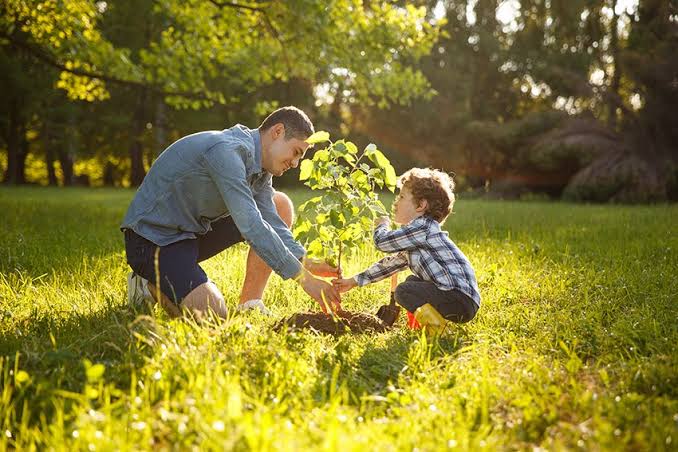
Trees are essential for maintaining a healthy environment and supporting life on Earth. They provide oxygen, absorb carbon dioxide, improve air quality, and create natural habitats for birds and animals. Trees also contribute to soil protection, water conservation, and climate regulation. Despite their importance, trees often face challenges such as pollution, extreme weather, insects, and poor maintenance. Therefore, understanding proper tree care techniques is necessary for preserving healthy trees and protecting the environment.
1. Understanding Tree Health
Healthy trees usually have strong trunks, balanced branches, and healthy leaves. Monitoring their appearance regularly can help identify problems before they become serious. Changes in leaf color, unusual branch growth, damaged bark, and weak roots may indicate environmental stress or disease. Regular inspections allow property owners to take appropriate action.
2. Providing Adequate Sunlight
Sunlight is necessary for photosynthesis, the process through which trees produce energy for growth. Different tree species require different amounts of sunlight. Some grow best in full sunlight, while others can survive in partially shaded areas. Selecting an appropriate planting location helps trees receive the light they need for healthy development.
3. Maintaining Proper Soil Moisture
Soil moisture plays an important role in tree survival. Too little water can cause dehydration, while excessive moisture may damage roots. Checking soil conditions before watering helps prevent these problems. Applying water slowly around the root zone encourages deeper root growth and improves water absorption.
4. Protecting Tree Trunks and Bark
The trunk provides structural support and transports water and nutrients throughout the tree. Damage to the bark can create opportunities for insects and disease organisms to enter. Avoid hitting trunks with lawn equipment, attaching unnecessary objects, or cutting the bark. Protecting the trunk helps maintain the tree’s overall health.
5. Managing Fallen Leaves and Organic Waste
Fallen leaves and small organic materials can be useful for improving soil quality. Instead of removing all fallen leaves, suitable leaves can be composted and returned to garden soil. This process adds organic matter and supports beneficial soil organisms. However, leaves showing signs of serious disease should be handled appropriately to prevent spreading infections.
6. Supporting Young Trees
Young trees need special attention during their early stages of development. Regular watering, weed control, and protection from animals can help them establish strong roots. Temporary staking may be useful in certain situations, but supports should not restrict trunk movement or remain attached unnecessarily. Proper early care improves the chances of long-term survival.
7. Protecting Mature Trees
Mature trees provide valuable environmental benefits and may require less frequent watering than newly planted trees. Nevertheless, they still need regular health inspections. Avoid disturbing their root zones, changing soil levels around their trunks, or removing large branches without professional guidance. Preserving mature trees is often more beneficial than replacing them because they already provide established environmental services.
Conclusion
Tree preservation requires consistent care, proper planning, and environmental awareness. Providing suitable sunlight, maintaining soil moisture, protecting trunks, supporting young trees, and monitoring mature trees are all important maintenance practices. Healthy trees improve our surroundings, support wildlife, and contribute to a balanced ecosystem. By making tree preservation a priority, we can protect nature and create a greener environment for generations to come.
Leave a Reply