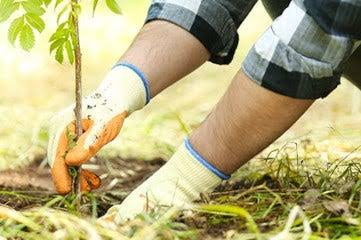
Trees play a major role in maintaining environmental balance and improving the quality of life. They provide fresh air, reduce heat, protect soil, and create habitats for different species of wildlife. They also make residential areas, parks, and public spaces more attractive. However, healthy tree growth depends on proper care, suitable environmental conditions, and regular maintenance. Applying smart tree care techniques can help preserve trees and protect them from common problems.
1. Understanding the Tree Growth Cycle
Trees pass through different stages of development, including seed germination, early growth, maturity, and aging. Each stage requires different care practices. Young trees need more attention to watering and root development, while mature trees benefit from regular inspections and structural maintenance. Understanding the growth cycle helps determine the right care at the right time.
2. Maintaining Healthy Branches
Strong branches are important for a tree’s structure and stability. Regularly checking branches can help identify cracks, deadwood, and signs of disease. Removing damaged branches when necessary reduces potential hazards and supports healthy growth. Pruning should follow proper techniques to avoid unnecessary injuries to the tree.
3. Preventing Soil Compaction
Soil compaction occurs when soil particles are pressed together, reducing the space available for air and water. This condition can make it difficult for roots to grow and absorb essential nutrients. Avoid parking vehicles or placing heavy equipment near tree root zones. Maintaining loose, healthy soil encourages better root development and improves overall tree health.
4. Using Organic Materials for Tree Protection
Organic materials such as compost, wood chips, and dried leaves can support healthy tree growth. Compost improves soil fertility, while mulch helps retain moisture and regulate soil temperature. These natural materials also reduce weed growth and support beneficial microorganisms. Applying them correctly can reduce the need for unnecessary chemical products.
5. Identifying Early Signs of Tree Stress
Trees can experience stress because of drought, excessive rainfall, nutrient deficiencies, pollution, or pest attacks. Common warning signs include wilting leaves, premature leaf loss, weak branches, and unusual discoloration. Observing these changes regularly helps identify problems early. Appropriate care and professional advice can prevent further deterioration.
6. Maintaining Proper Tree Spacing
Trees need sufficient space to develop their roots and branches. Planting trees too close together can create competition for sunlight, water, and nutrients. Proper spacing also improves air circulation and reduces overcrowding. Before planting, consider the expected height and canopy width of each tree species.
7. Creating a Long-Term Tree Protection Plan
A long-term tree protection plan helps maintain healthy trees throughout their lives. Such a plan can include regular inspections, watering schedules, soil management, pest monitoring, and appropriate pruning. Recording maintenance activities also makes it easier to track tree health and identify recurring problems. Consistent care can significantly improve the lifespan of trees.
Conclusion
Smart tree care techniques are essential for maintaining strong, healthy, and long-lasting trees. Understanding growth stages, protecting branches, preventing soil compaction, using organic materials, and identifying early signs of stress can improve tree health. Everyone can contribute by maintaining trees in homes, gardens, parks, and public spaces. Protecting trees today helps build a greener, healthier, and more sustainable environment for tomorrow.
Leave a Reply